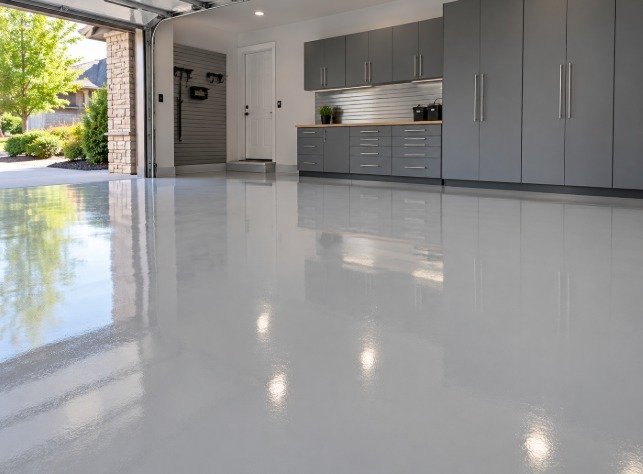
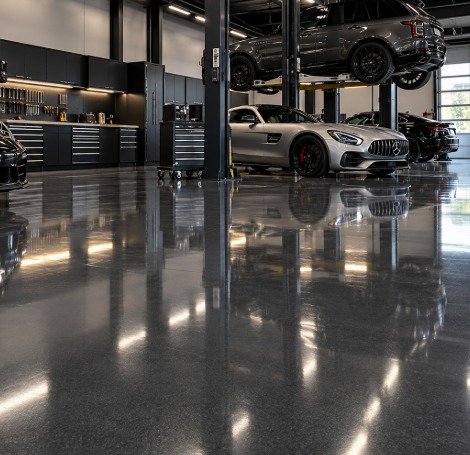
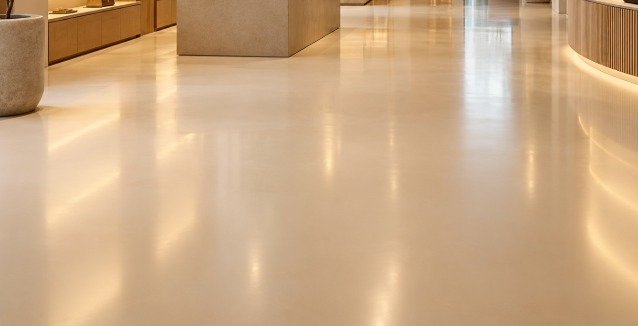
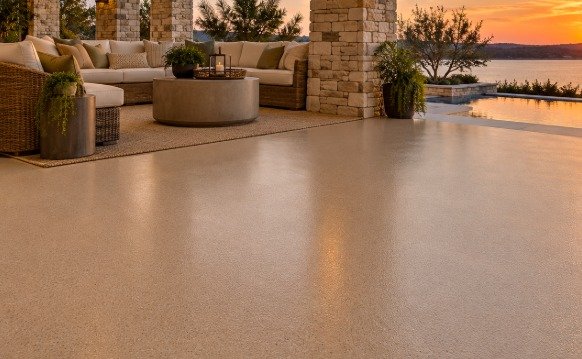
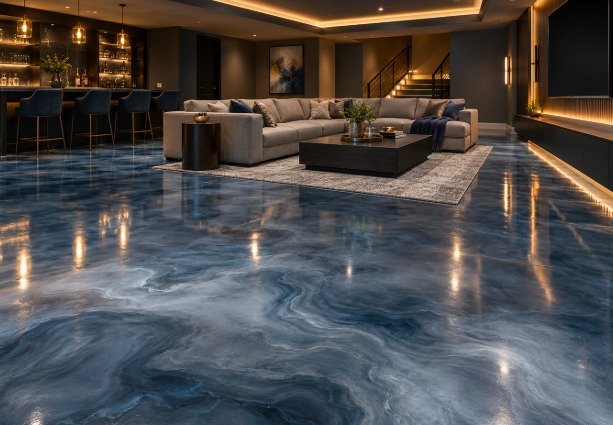
Epoxy flooring can be customized with a wide range of colors, textures, patterns, and sheen levels. This makes it possible to create anything from a simple gray garage floor to a bold metallic showroom surface or a subtle decorative finish for a residential interior.
Choosing the right epoxy flooring color and finish is about more than appearance. The final selection can affect how bright the space feels, how easily dirt is noticed, how much texture the floor has, and how well the coating complements walls, cabinets, equipment, vehicles, furniture, or business branding.
Epoxy flooring colors and finishes can be customized for garages, basements, workshops, retail stores, showrooms, commercial buildings, offices, salons, warehouses, and many other spaces.
Choosing the Right Epoxy Finish
The finish should match both the appearance and practical requirements of the space.
Consider:
Gloss level
Slip resistance
Traffic
Cleaning
Lighting
Chemical exposure
Decorative style
A showroom may benefit from a high-gloss finish, while a workshop may be better suited to a textured satin coating.
Choosing the Right Epoxy Color
When selecting an epoxy floor color, consider:
Room size
Lighting
Wall colors
Cabinets
Furniture
Equipment
Traffic levels
Cleaning expectations
Lighter colors can make a room feel brighter, while darker colors can create a stronger and more dramatic appearance.
Gray Epoxy Flooring
Gray is one of the most popular epoxy flooring colors because it works well in both residential and commercial spaces. It provides a clean, modern appearance and coordinates easily with many wall colors, cabinets, equipment, and vehicles.
Popular gray options include:
Light gray
Medium gray
Dark gray
Charcoal gray
Blue-gray
Silver-gray
Gray epoxy is commonly used in garages, workshops, basements, warehouses, showrooms, and commercial spaces.
Light Gray Epoxy Flooring
Light gray flooring creates a bright and clean appearance. It can help reflect light and make smaller spaces feel more open.
Light gray is especially popular in:
Residential garages
Basements
Workshops
Utility rooms
Showrooms
Commercial interiors
It can be combined with black, white, or charcoal flakes for a decorative finish.
Charcoal Epoxy Flooring
Charcoal epoxy provides a darker and more industrial appearance. It works well in garages, auto shops, workshops, commercial spaces, and modern interiors.
Charcoal can help hide small amounts of dust and dirt more effectively than very light colors. It also pairs well with silver, black, gray, and blue decorative flakes.
Black Epoxy Flooring
Black epoxy creates a bold and dramatic appearance.
It is often used in:
Luxury garages
Showrooms
Salons
Retail spaces
Entertainment rooms
Modern commercial interiors
Black can be used as a solid color or combined with metallic pigments, flakes, or contrasting design elements.
Because dark flooring can show certain dust or surface marks, maintenance expectations should be considered before choosing a fully black finish.
White Epoxy Flooring
White epoxy creates a bright, clean, and modern look. It can help reflect light and make a room feel more spacious.
White epoxy is often selected for:
Showrooms
Studios
Retail spaces
Salons
Modern residential interiors
Certain commercial environments
White can also be combined with gray, black, gold, or silver metallic effects.
Beige Epoxy Flooring
Beige epoxy provides a subtle and clean appearance. It can complement light-colored walls and natural interior finishes.
Beige works well in homes, offices, salons, retail areas, and garages where a warmer neutral tone is desired.
Tan Epoxy Flooring
Tan epoxy creates a warm and neutral appearance. It works well in residential and commercial spaces where a softer color is preferred.
Tan floors are commonly used in:
Garages
Basements
Utility rooms
Workshops
Retail spaces
Commercial buildings
Tan also pairs well with brown, cream, beige, and gray decorative flakes.
Brown Epoxy Flooring
Brown epoxy can create a rich and earthy appearance. It may be used in decorative residential interiors, workshops, restaurants, retail spaces, and commercial environments.
Brown also works well with bronze, copper, tan, and cream metallic or flake combinations.
Blue Epoxy Flooring
Blue epoxy can create anything from a calm decorative finish to a bold commercial design.
Popular shades include:
Navy blue
Royal blue
Light blue
Blue-gray
Metallic blue
Blue epoxy works well in garages, showrooms, gyms, entertainment spaces, workshops, and commercial properties. It can also be used in custom branding designs.
Red Epoxy Flooring
Red epoxy creates a strong visual impact. It is often used as an accent color, traffic marking, branded flooring section, or decorative element.
Red may be used in:
Auto shops
Garages
Gyms
Commercial spaces
Workshops
Showrooms
It can be combined with black, gray, or white for a high-contrast design.
Custom Epoxy Colors
Epoxy flooring can be customized beyond standard factory colors.
Custom color systems may be designed to coordinate with:
Wall colors
Cabinets
Vehicles
Equipment
Furniture
Company branding
Logos
Interior design themes
Custom colors can be used as solid coats or combined with decorative flakes and metallic pigments.
Two-Tone Epoxy Flooring
Two-tone epoxy uses two primary colors to create contrast. The colors may be blended together or installed in separate sections.
Popular combinations include:
Black and gray
White and gray
Blue and silver
Black and red
Tan and brown
White and gold
Two-tone designs can be used in garages, showrooms, retail stores, offices, and decorative interiors.
Multi-Color Epoxy Flooring
Multi-color epoxy systems combine several colors within one floor.
They may use:
Decorative flakes
Metallic pigments
Color swirls
Geometric layouts
Custom patterns
Multi-color designs can create more visual depth and help disguise everyday dirt and debris.
High-Gloss Epoxy Flooring
High-gloss epoxy creates a shiny and reflective surface. This finish is popular because it can make colors appear deeper and more vibrant.
High-gloss flooring is commonly used in:
Showrooms
Luxury garages
Salons
Retail stores
Studios
Offices
Decorative residential spaces
Reflective floors can also help distribute light throughout the room.
Satin Epoxy Flooring
Satin epoxy provides a softer sheen than high-gloss flooring. It creates a finished appearance without strong reflection.
Satin finishes work well in residential interiors, offices, commercial spaces, garages, and workshops.
They are a good choice for property owners who want a balanced appearance between glossy and matte.
Matte Epoxy Flooring
Matte epoxy has a low-sheen appearance. It is popular in modern, industrial, and minimalist spaces.
Matte finishes may help reduce visible reflections and create a more understated design.
They can be used in:
Garages
Offices
Retail stores
Studios
Residential interiors
Commercial spaces
Clear Epoxy Finish
Clear epoxy can be used as a protective layer over certain decorative surfaces.
It may also be used where the natural appearance of the concrete or underlying design should remain visible.
Clear finishes may be available in different sheen levels depending on the system.
Decorative Flake Finishes
Decorative flake epoxy combines a colored base coat with vinyl flakes.
Flakes can be installed as:
Light broadcast
Medium broadcast
Full broadcast
Common color blends include:
Gray, black, and white
Tan, brown, and cream
Blue, gray, and white
Charcoal, black, and silver
Flake systems are especially popular in garages, workshops, commercial spaces, and utility areas.
Stone-look epoxy creates the appearance of natural stone without using individual tiles.
Color combinations can be designed to resemble:
Granite
Slate
Quartz
Marble
Polished stone
Stone-look finishes can provide an upscale appearance while maintaining a seamless coated surface.
Granite-Look Epoxy Finish
Granite-look epoxy often uses multi-color flakes to imitate the speckled appearance of granite.
This finish is popular in garages, workshops, commercial spaces, and utility rooms.
It can also help disguise small amounts of dust and dirt.
Pearl Epoxy Finish
Pearl pigments create a soft shimmering effect.
They are often used in lighter decorative floors with white, silver, cream, or gray base colors.
Pearl finishes can create a subtle luxury appearance without the stronger contrast of metallic swirls.
Textured Epoxy Flooring
Textured epoxy provides more surface variation than a smooth coating. Texture can be created using aggregates, flakes, or anti-slip additives.
Textured flooring is often used where additional traction is desired.
Applications may include:
Garages
Workshops
Commercial kitchens
Warehouses
Entry areas
Service spaces
The level of texture can be adjusted according to the space.
Smooth Epoxy Flooring
Smooth epoxy creates a seamless and uniform surface.
It is popular in decorative interiors, showrooms, offices, salons, and certain commercial environments.
Smooth floors are easy to sweep and mop but may become slippery when wet, so anti-slip additives may be appropriate in some locations.
Anti-Slip Epoxy Finish
Anti-slip finishes incorporate texture into the final coating. Aggregates or traction additives can be included in the topcoat.
Anti-slip finishes are commonly used in:
Garages
Workshops
Commercial kitchens
Warehouses
Entry areas
Wet locations
The amount of texture should be selected based on safety, comfort, and cleaning requirements.
Fine & Heavy Texture Finishes
Fine Texture Epoxy Finish
Fine texture creates a subtle amount of grip while keeping the surface relatively easy to clean. This is a common option for garages and light commercial spaces.
Heavy Texture Epoxy Finish
Heavy texture provides more aggressive traction. It may be appropriate for industrial spaces, wet areas, commercial kitchens, or work environments where slip resistance is a priority.
Heavier texture can require more effort to clean.
Garage Epoxy Colors
Garage flooring can be customized to match cabinets, walls, storage systems, and vehicles.
Popular garage colors include:
Light gray
Charcoal
Black
Tan
Beige
Blue-gray
Decorative flake blends are especially popular because they provide more visual texture than solid colors.
Standard colors and gloss or satin finishes are included in most system prices. Custom colors, decorative effects, textures and designs can add to the cost. The ranges below are typical for Los Angeles projects.
Price by finish type
Finish
Per sq. ft.
Solid Color (standard colors)
$4 – $7
Decorative Flake Blend
$5 – $9
Stone / Granite Look
$7 – $12
Metallic, Marble & Pearl
$8 – $14
Color & finish upgrades
Upgrade
Price
Custom Color Match
+$0.50 – $1 / sq. ft.
Matte Topcoat
+$0.50 – $1 / sq. ft.
Anti-Slip Texture
+$0.25 – $0.75 / sq. ft.
UV-Stable Topcoat
+$1 – $2 / sq. ft.
Borders & Stripes
$3 – $8 / linear ft.
Logos & Graphics
Quoted per design
What Affects the Price
Size of the space
Coating system
Standard or custom colors
Number of colors and layers
Flake density or metallic design
Sheen level and texture
UV exposure and topcoat choice
Borders, patterns and logos
Prices are estimates only. Your final price depends on floor size, concrete condition, repairs needed and the colors and finishes you choose. Every project gets a free color consultation and a written quote before work begins.
Light gray and medium gray are the most popular garage colors because they look clean, brighten the space and match most cabinets, walls and vehicles. Many homeowners choose a gray base with a gray, black and white flake blend, which adds texture and hides everyday dust and tire marks. Charcoal and tan blends are also popular. We bring samples to your estimate so you can compare them in your own garage lighting.
It should look very close, but not always identical. Colors can appear slightly different depending on your lighting, the size of the floor, surrounding wall and cabinet colors and the gloss level of the topcoat. Solid colors and flake blends are the most predictable. Metallic floors vary the most, because the pigments move differently during every installation. Viewing samples on your actual floor is the best way to choose.
Multi-color flake floors in medium tones, such as gray, black and white or tan, brown and cream blends, hide everyday dust, dirt and tire marks the best. Solid white and solid black floors tend to show dust, footprints and debris more easily, and very dark high-gloss floors can show fine scratches. If low maintenance is a priority, a medium gray flake floor with a satin or gloss topcoat is a practical choice.
Gloss creates a bright, reflective surface that makes colors look deeper and is popular in garages and showrooms. Satin has a softer sheen and a more balanced look for homes, offices and workshops. Matte has very little reflection for a modern or industrial style. Any sheen can become slippery when wet, so for garages, entries and kitchens we can add a fine anti-slip texture to whichever finish you choose.
Yes. We can create custom colors to coordinate with your branding, then use them as a solid floor, accent areas, borders, stripes or color zones. Logos and custom graphics can also be installed beneath a clear protective layer in many systems. Share your brand colors or samples, and we'll prepare color samples for approval before installation, keeping in mind that lighting can affect how colors appear on a large floor.
Create the Right Look for Your Epoxy Floor
The color and finish of an epoxy floor can completely change the appearance of a space.
A light gray flake floor can give a garage a clean and practical look. A black-and-silver metallic floor can create a dramatic showroom. A satin beige finish can provide a subtle residential design, while custom business colors can help reinforce a commercial brand.
From gray, black, white, blue, tan, and beige to metallic pigments, decorative flakes, high-gloss surfaces, matte finishes, and slip-resistant textures, epoxy flooring offers a wide range of customization options.
With careful color selection, proper surface preparation, and professional installation, an epoxy floor can be designed to complement the property while delivering the appearance and performance needed for the space.